

Begin with the gathering
A shared meal can become intimidating when the menu turns into a performance. Start instead with the kind of evening you want: a relaxed conversation, a weekend lunch, or a quick meal with people you have missed. Let that intention determine the food. Something familiar that you enjoy preparing often makes a more welcoming foundation than a complicated dish you are making for the first time.
Choose a flexible centerpiece
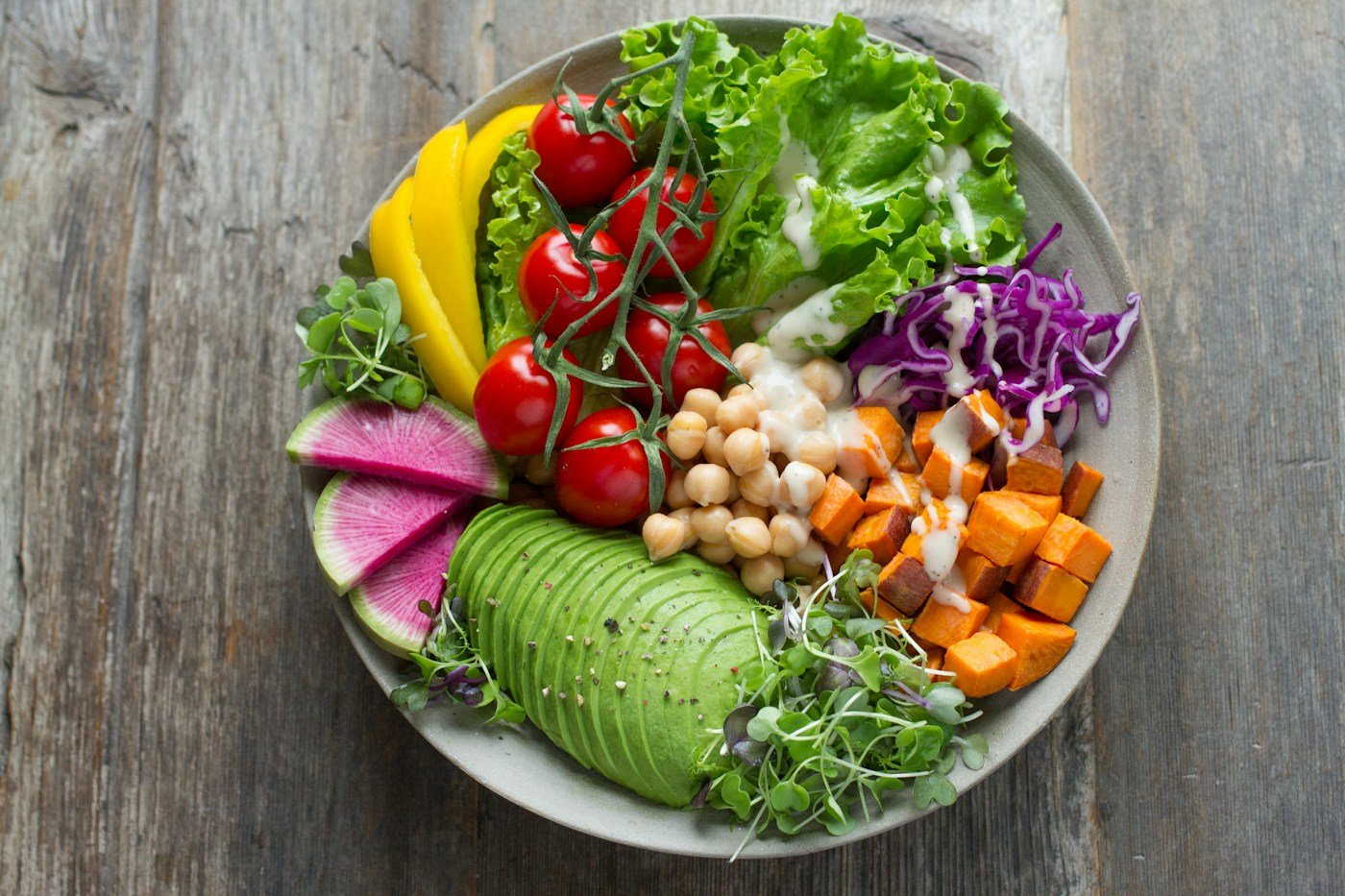
A meal built around a flexible centerpiece leaves room for different preferences. A platter of roasted vegetables, a pot of soup, or bowls with ingredients served separately can make sharing straightforward. Ask guests about allergies and dietary needs ahead of time rather than making assumptions. Keep packaging or ingredient notes available when they are useful, and follow appropriate food-handling guidance.
Let the setting be comfortable
A clear table and enough room for everyone matter more than matching plates. Put water within reach, arrange serving utensils before people arrive, and choose lighting that makes conversation comfortable. Small preparations remove interruptions later. If a guest offers to help, a specific task such as setting out glasses can make them feel included without turning the kitchen into a crowded workspace.
Make room for imperfection
Dinner may begin later than planned. A dish may look different from the photograph. These details rarely define the evening. What people often remember is whether they felt welcome and whether there was room to linger. A simple shared table succeeds when the meal supports the company, leaving the host enough time to sit down and enjoy it too.